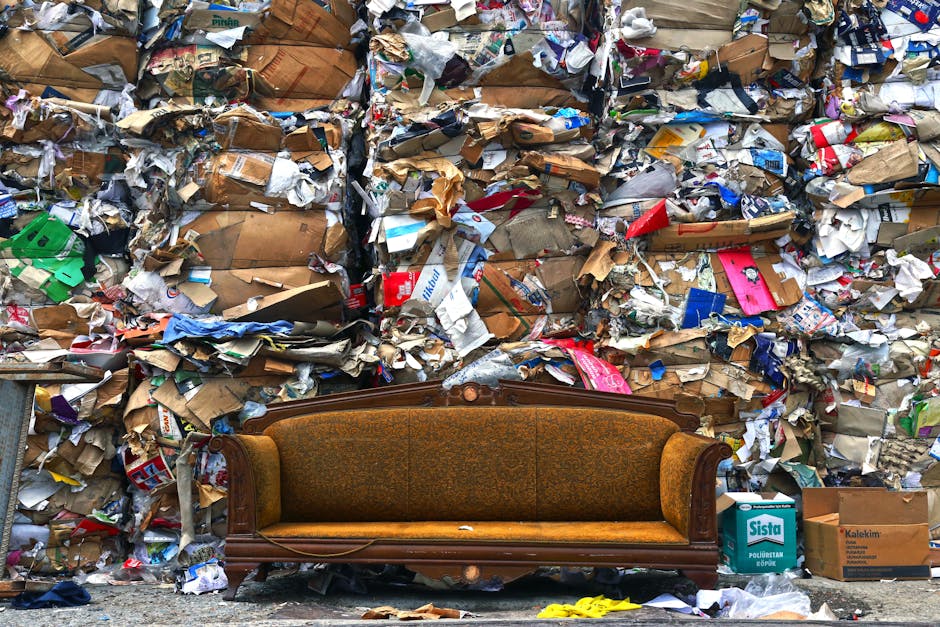
West Hampstead cleaners must know upholstery disposal law: a practical guide for safe, compliant work
If you clean sofas, armchairs, mattresses, cushions, or other fabric furnishings in West Hampstead, you already know the job is never just about making something look fresh. Sometimes a piece is beyond cleaning and has to go. That is where upholstery disposal law comes in, and yes, it matters more than many people think. West Hampstead cleaners must know upholstery disposal law because the moment a customer asks, "Can this be taken away?", you are dealing with waste handling, duty of care, and the risk of getting it wrong.
This guide breaks down what compliant disposal usually means in plain English, how it fits into everyday cleaning work, and what to watch out for in real jobs. You will also find a step-by-step process, a practical checklist, common mistakes, and a few grounded tips from the kind of situations cleaners meet all the time. Not glamorous, perhaps. Very useful? Absolutely.
Table of Contents
- Why upholstery disposal law matters
- How compliant disposal works in practice
- Key benefits and practical advantages
- Who needs this and when it makes sense
- Step-by-step guidance
- Expert tips for better results
- Common mistakes to avoid
- Tools, resources and recommendations
- Law, compliance, standards and best practice
- Options, methods and comparison table
- Case study or real-world example
- Practical checklist
- Conclusion
- Frequently asked questions
Why West Hampstead cleaners must know upholstery disposal law Matters
Let's face it: upholstery disposal is one of those jobs that looks simple until you are standing in a flat with a battered sofa, a narrow stairwell, and a customer who wants it gone before the next tenancy starts. In West Hampstead, that often means tight access, shared entrances, and limited storage space. If you do not understand how to remove and dispose of upholstery legally, a routine cleaning job can quickly turn awkward.
The main reason this matters is responsibility. Once upholstery is removed from a property, it is no longer just "a bit of old furniture". It becomes waste, and waste has rules. Depending on the item, its condition, and where it is going, the cleaner or cleaning company may need to arrange lawful transfer, use an authorised waste carrier, and avoid fly-tipping at all costs. Nobody wants a quick job turning into a compliance headache.
There is also a customer trust angle. People hiring cleaners often assume the service covers everything neatly and responsibly. If you can explain disposal clearly, you look professional. If you fumble it, or worse, suggest a shortcut, confidence drops fast. In a local area like West Hampstead, word travels. Not in a dramatic way, just the usual neighbour-to-neighbour, "I'd be careful with them" kind of way.
There is another layer too: safety. Old upholstery can be heavy, awkward, dusty, and sometimes contaminated. Think about water damage, pet odours, mould, bed bugs, or broken internal springs that stab through fabric. A careless lift is all it takes for someone to hurt a back or scratch a hallway wall. So yes, the legal bit matters, but so does the practical handling.
Key point: If upholstery cannot be cleaned and must be removed, the job shifts from cleaning to waste management. That changes the rules, the risks, and the level of care needed.
How West Hampstead cleaners must know upholstery disposal law Works
At a practical level, upholstery disposal law affects the whole journey from assessment to final removal. The details can vary depending on the item and the business arrangement, but the basic logic stays the same: identify what is being disposed of, decide whether it can be reused, repaired, cleaned, or must be discarded, and then route it through a lawful disposal method.
Here is the simple version. If a cleaner takes possession of upholstered waste, they should know who is responsible for it, how it is being transported, and where it ends up. In many jobs, especially for professional cleaning firms, this means working only with proper collection routes and keeping records where needed. If you are outsourcing removal, you also want to be sure the third party is legitimate. Trust is nice. Verification is better.
One useful distinction is between cleaning and disposal. Upholstery cleaning aims to restore an item. Disposal means the item is no longer suitable, wanted, or safe to keep. A sofa with surface dirt might be cleanable. A damp, moulded chair with structural damage may not be worth saving. That judgement is common sense, but it should be backed by a process, not a guess made in a rush at 8:15 on a Tuesday morning.
In real jobs, the decision often comes down to condition, contamination, and logistics. A fabric armchair in decent shape can often be moved carefully, wrapped, and transferred. A damaged sofa with exposed stuffing may need special handling because fibres, staples, dust, and loose components can create mess or injury. If the item has been in a property with pests or contamination, the cleaner should treat it with extra caution and follow the business's health and safety procedures.
For customers, this usually feels simple: "Can you just take it away?" For the cleaner, the answer requires a bit more thought. That is the job, though. A professional does the quiet, careful part behind the scenes so the customer sees the easy version.
Key Benefits and Practical Advantages
Knowing disposal law is not only about avoiding trouble. It also makes the work smoother, faster, and more professional. Once a cleaning business has a clear process, it can price jobs properly, plan labour more accurately, and avoid those awkward mid-job decisions where everyone stands around looking at the sofa and hoping for inspiration.
- Better compliance: You reduce the risk of improper waste handling and the problems that can follow.
- Cleaner customer experience: The client gets a straight answer about whether disposal is included or separate.
- Safer working practices: Staff know how to lift, wrap, and move items without unnecessary strain.
- Fewer surprises: You avoid last-minute arguments over who is arranging removal and where the item is going.
- Stronger reputation: A clear, lawful disposal process makes the business look organised and trustworthy.
There is also an efficiency gain that people overlook. When your team knows the difference between a cleanable item and a disposal item, you stop wasting time trying to rescue something that should have been removed in the first place. That matters in busy parts of London where travel time, parking, and building access can already eat into the day.
Another practical benefit is better quoting. If upholstery disposal is part of the service, it should be reflected clearly in the price or at least explained as an extra. That protects the business from disputes and helps the customer understand what they are paying for. No one likes the "Oh, that part costs extra" surprise after the fact. To be fair, nobody likes it at all.
Who This Is For and When It Makes Sense
This matters for a wider group than you might expect. It is not only for large commercial cleaners. In fact, smaller operators often need this knowledge most because they may not have a dedicated operations team or compliance officer looking over their shoulder.
- Domestic cleaners who are asked to remove damaged upholstery after a spill, tenancy change, or deep clean.
- Upholstery and sofa cleaners who find that an item is too damaged to restore.
- End of tenancy cleaners dealing with abandoned or unwanted furniture.
- Property managers coordinating clearance before re-letting a flat.
- Landlords and letting agents who need items removed responsibly between occupancies.
- Office cleaners handling worn reception seating or soft furnishings in a workplace.
The law and best practice become especially important when the item is contaminated, bulky, or located in a building with shared access. A top-floor flat near West Hampstead station is a very different job from a ground-floor house with direct access. Anyone who has carried a tired sofa down a narrow staircase will know exactly what I mean. You can feel the whole building holding its breath.
It also makes sense whenever customers ask for a "one-stop" service. If the client wants cleaning and removal in one visit, the provider should know where the service ends and where waste handling begins. That clarity helps everyone. It also keeps expectations realistic, which is half the battle in this line of work.
Step-by-Step Guidance
Here is a practical process that works well for many cleaning teams. It is simple enough to follow on a busy day, but detailed enough to avoid the most common problems.
- Inspect the item carefully. Check whether the upholstery is actually cleanable, repairable, or clearly beyond saving. Look for staining, mould, odour, tears, broken frames, and signs of pest activity.
- Confirm ownership and consent. Make sure the customer has the right to ask for removal. That sounds obvious, but it matters in rental properties and shared spaces.
- Decide whether the item is waste. If the item is being discarded, treat it as waste from that point onward. That changes the handling process.
- Check handling requirements. Consider weight, size, access, and whether you need extra people. A heavy sofa through a tight hallway is not a solo adventure.
- Protect the property. Use covers, gloves, lifting aids, and edge protection where needed. Hallways and stair rails are usually the first things to get scuffed.
- Use a lawful disposal route. Arrange collection or transfer through the correct channels. If a third party is involved, make sure they are properly authorised.
- Keep records where required. Note what was removed, when, and how it was handled. A simple log can save a great deal of grief later.
- Confirm completion with the customer. Tell them what has happened to the item and, where relevant, give them any paperwork or confirmation you provide as a business.
If you want the short version: inspect, classify, protect, remove, record, confirm. That is the shape of it. Simple on paper, a bit more fiddly in a cramped hallway, but manageable with a proper routine.
Expert Tips for Better Results
Good disposal practice is often about the small things. The job goes more smoothly when the team has habits that save time and reduce risk without making a fuss.
Separate "dirty" from "disposed" early
One useful habit is to decide early whether the item is staying or going. If a sofa has a decent chance of being restored, keep the process focused on cleaning. If it is clearly beyond help, do not spend half an hour debating miracles. Be honest with the customer and move the conversation on.
Use clear language with customers
Say exactly what you mean. "We can clean it" is different from "we can remove it". If both are possible, explain the options separately. Customers appreciate that. They may not know the legal difference, and why should they?
Plan access before moving anything
In West Hampstead, many properties have awkward access, limited parking, or shared entrances. It helps to ask about stairs, lifts, door widths, and timing before the visit. A five-minute question on the phone can save a very long carry later.
Do not mix waste types casually
Textiles, wood, metal, foam, and contamination issues can affect disposal choices. You do not need to become a waste engineer, but you do need enough awareness to avoid tossing everything into one vague pile and hoping it sorts itself out. It rarely does.
Keep the health and safety angle visible
Worn upholstery can hide dust, splinters, mould, and allergens. If the item looks risky, treat it that way. Gloves, masks, and proper lifting technique are not overkill; they are basic professionalism.
Common Mistakes to Avoid
Most disposal problems are not dramatic. They are ordinary mistakes made in a hurry. The good news is that they are usually easy to avoid once you know what to watch for.
- Assuming the item is "just rubbish": Once it is removed from a property, it needs to be handled as waste under the right process.
- Not checking who owns the item: This can become messy in shared homes, tenancies, or managed buildings.
- Leaving disposal vague in the quote: Customers need to know whether removal is included, separate, or not offered.
- Using an unverified collector: If you hand the item to the wrong person, the responsibility can come back to bite.
- Ignoring contamination: Damp, pest-affected, or heavily soiled upholstery may need a different approach.
- Forgetting the access problem: A large item can be fine to remove in theory and a nightmare in practice.
- Skipping basic documentation: Even a simple note helps if there is a dispute later.
One of the most common slip-ups is underestimating how long a disposal job takes. A cleaner may think, "We'll just carry it out after the main clean." Then the lift is slow, the hallway is tight, and the building manager appears at the exact wrong moment. Happens more often than people admit.
Another mistake is being too casual about customer requests. If someone says, "Can you take it to the back alley?" the answer should not be an off-the-cuff yes unless it is lawful and part of your proper process. Shortcuts are rarely worth it.
Tools, Resources and Recommendations
You do not need a warehouse full of gear to manage upholstery disposal properly, but a few practical tools make a real difference.
- Heavy-duty gloves: Useful for protecting hands from staples, rough edges, and grime.
- Protective covers or wraps: Helpful when moving items through clean hallways or communal areas.
- Straps and lifting aids: These reduce strain and help with awkward shapes.
- Floor and corner protection: A small precaution that prevents big arguments later.
- Basic job records: Even a simple checklist or digital note system is better than memory alone.
- Clear disposal policy documents: Staff should know what to do before they arrive on site.
For businesses that want to build a more reliable system, it helps to keep related operational pages and policies easy to find. For example, your team can cross-check procedures with the health and safety policy and review how environmental handling fits alongside recycling and sustainability. When disposal and cleaning sit in separate silos, mistakes creep in. When they are joined up, life gets easier.
If a customer asks what the broader service package includes, it can also help to point them toward your pricing and quotes information so expectations are clear before work begins. That small bit of clarity saves a lot of email ping-pong later.
Law, Compliance, Standards, and Best Practice
This is the section where people often want a neat answer, and to be fair, the law is rarely neat. The safest approach is to treat upholstery disposal as part of waste management, with a duty to handle materials responsibly and avoid illegal dumping or careless transfer. Exact obligations can depend on the business structure, the item, and the disposal route used.
A good practical rule is this: if your business removes the item, your business should know where it is going and who is taking it. That does not mean every cleaner must become a legal specialist, but it does mean there should be a proper process. The cleaner should not be guessing at the roadside with a van door open and a sofa half-in, half-out.
Professional best practice usually includes:
- using authorised and traceable disposal methods
- keeping internal records of removals
- training staff on safe manual handling
- separating cleaning work from disposal work in quotes and procedures
- protecting customers' property during removal
- treating contaminated items with extra caution
If your business already works to documented procedures, a good place to align those is your insurance and safety information, because disposal incidents often sit at the intersection of safety, liability, and customer care. It is not flashy, but it matters.
One more thing: if you are ever unsure whether a specific upholstery item needs specialist handling, pause and ask. A short delay is better than a compliance problem later. No one gets a medal for being the fastest person to make a bad decision.
Options, Methods, and Comparison Table
There is more than one way to handle an unwanted upholstered item, and the right method depends on condition, size, and the service you are offering.
| Method | Best for | Pros | Watch-outs |
|---|---|---|---|
| Deep clean and retain | Items with stains or odours but sound structure | Cost-effective, keeps furniture in use | Not suitable for severe damage or contamination |
| Repair then clean | Minor tears, loose seams, worn covers | Extends life, improves value | Can be time-consuming and may need another specialist |
| Responsible disposal | Damaged, unsafe, mouldy, or unwanted items | Fast resolution, clear outcome | Must be handled lawfully and carefully |
| Specialist collection | Bulky, contaminated, or difficult-to-move items | Better for complex removals | May require extra coordination and cost |
In day-to-day cleaning work, the biggest decision is often whether an item still has enough life left in it to justify cleaning. If there is doubt, talk the customer through the trade-off. A serviceable chair with one bad patch might be worth saving. A sofa that smells damp every time you sit near it? Frankly, that is usually a different story.
Case Study or Real-World Example
A typical West Hampstead scenario goes like this. A tenant moves out of a flat near the station and leaves behind a large upholstered armchair. The property manager books a clean before new photos are taken. On arrival, the cleaner finds the chair is stained, the fabric has a musty smell, and the frame feels unstable when moved. There is no point trying to pretend this is a simple spot clean.
The cleaner explains that the chair cannot realistically be restored as part of the scheduled service and that it will need disposal. Because the stairwell is narrow and the building has shared access, the team plans the removal carefully, protects the corridor, and confirms the lawful disposal route before moving the item. The customer gets a clear explanation, the property is left tidy, and the job ends without drama. That is the ideal outcome, really.
What makes this kind of job successful is not heroics. It is judgement. The cleaner notices the item's condition, knows when cleaning stops being worthwhile, and follows a proper disposal process instead of improvising. Small win, big difference.
Practical Checklist
Use this checklist before agreeing to remove upholstery from a property:
- Have I inspected the item properly?
- Is the customer authorised to request removal?
- Is the item cleanable, repairable, or truly ready for disposal?
- Do I know whether the item is contaminated or damaged in a way that changes handling?
- Have I confirmed access, stairs, lifts, and parking constraints?
- Do I have enough people and the right equipment?
- Is there a lawful disposal route in place?
- Have I made the cost and scope clear to the customer?
- Have I protected floors, walls, and shared areas?
- Have I recorded what was removed and how it was handled?
If you can tick all of those boxes, you are in a much better place. If not, pause and sort out the weak spot before starting. That tiny bit of discipline saves headaches later on.
Conclusion
Upholstery disposal is not the flashiest part of cleaning, but it is one of the places where professionalism really shows. West Hampstead cleaners must know upholstery disposal law because once an item leaves a property, the work is no longer just about appearance. It becomes about safe handling, lawful disposal, clear communication, and protecting both the customer and the business.
The best approach is simple: assess carefully, explain clearly, use proper disposal routes, and keep records where needed. Do that consistently and you avoid most of the common problems before they start. You also build trust, which, in a local service business, is worth its weight in gold. Or at least a very comfortable sofa.
Get a free quote today and see how much you can save.
Frequently Asked Questions
What does upholstery disposal law mean for cleaners in West Hampstead?
It means that if a cleaner removes upholstered items such as sofas, chairs, or cushions, they need to handle them as waste where appropriate and use lawful disposal methods. The key point is not to treat removal as an informal favour. It is part of a proper service process.
Can a cleaner just take an old sofa to the tip?
Not casually, no. Disposal should follow the correct route and the business should know where the item is going. The cleaner or company needs to avoid illegal dumping and make sure the transfer is handled properly.
When should upholstery be cleaned instead of disposed of?
If the frame is sound and the problem is mainly staining, odour, or surface dirt, cleaning may be enough. If there is severe mould, structural damage, heavy contamination, or the customer no longer wants the item, disposal may be the better option.
Do I need to tell the customer if disposal is extra?
Yes, absolutely. Disposal should be explained clearly in the quote or booking discussion. Customers should know whether removal is included, charged separately, or outside the scope of the service.
What are the risks of ignoring disposal rules?
The risks include improper waste handling, disputes with customers, damage to reputation, safety issues, and potential regulatory problems. It is the sort of thing that can start small and get annoying very quickly.
How do I know if an item is contaminated?
Look for mould, heavy odour, pest signs, water damage, unusual staining, or other visible problems. If you are unsure, treat the item cautiously and follow your health and safety procedures.
Should cleaners keep records of removed upholstery?
Yes, that is good practice. A simple note of what was removed, when it was removed, and how it was handled can help if a question comes up later.
Is upholstery disposal different in flats and shared buildings?
Usually, yes in practical terms. Access, stairwells, lifts, and shared hallways make removal more complicated, so cleaners need to plan carefully and protect common areas.
What if the customer asks for a very quick removal?
Speed is fine only if the process stays lawful and safe. If the item needs more time, specialist handling, or a proper disposal route, that should come first. A quick job is no good if it creates a bigger problem later.
How can a cleaning business make disposal safer?
By training staff, using the right equipment, checking the item in advance, planning access, and having clear internal procedures. The boring stuff, in other words. The boring stuff is often what saves the day.
Where can a business find related guidance on policies and service scope?
It helps to review your internal procedures and customer-facing information, especially pages covering safety, pricing, and sustainability. For instance, businesses often align disposal handling with their terms and conditions so everyone knows what is included and what is not.
What is the simplest rule to remember?
If an upholstered item is leaving the property, treat it as waste and handle it with a proper process. Keep the customer informed, protect the property, and do not guess. That one rule avoids a surprising amount of trouble.