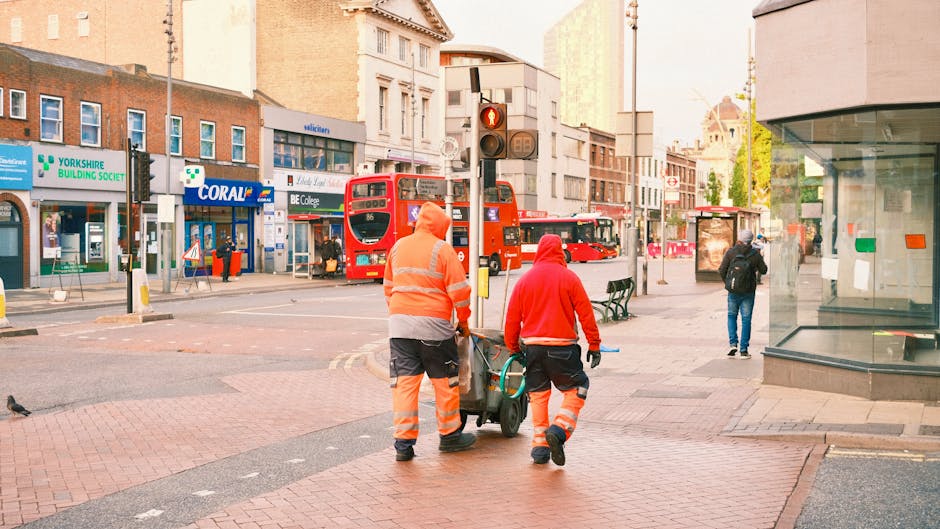
Same day emergency cleaning West Hampstead delays to expect: what really happens and how to plan for it
If you need urgent cleaning in West Hampstead, the big question is rarely just can it be done today? It is usually Same day emergency cleaning West Hampstead delays to expect and how much of your day you will lose waiting around. That is fair. When a leak, spill, landlord issue, or post-party mess lands in your lap, time feels oddly elastic. Five minutes can feel like an hour.
This guide breaks down the realistic delays, why they happen, how same day emergency cleaning typically works, and what you can do to keep things moving. You will also find a checklist, a comparison table, and a practical example from a very normal London-style situation: the kind where the kettle is on, the hallway smells damp, and everyone is asking who can get there first.
For service context, it can also help to look at the company's broader approach to professional cleaning support, deep cleaning, and one-off cleaning when you are dealing with a sudden mess rather than routine upkeep.
Table of Contents
- Why Same day emergency cleaning West Hampstead delays to expect Matters
- How Same day emergency cleaning West Hampstead delays to expect Works
- Key Benefits and Practical Advantages
- Who This Is For and When It Makes Sense
- Step-by-Step Guidance
- Expert Tips for Better Results
- Common Mistakes to Avoid
- Tools, Resources and Recommendations
- Law, Compliance, Standards, or Best Practice
- Options, Methods, or Comparison Table
- Case Study or Real-World Example
- Practical Checklist
- Conclusion
- Frequently Asked Questions
Why Same day emergency cleaning West Hampstead delays to expect Matters
Emergency cleaning is about speed, yes, but it is also about realistic expectations. If you assume a cleaner will arrive in 20 minutes and it turns out they need a travel window, equipment setup, and a quick assessment first, the delay can feel bigger than it is. That frustration can make an already stressful day worse.
In West Hampstead, delays often come down to the usual London mix: traffic, parking, lift access, narrow streets, and the exact time of day you call. Around school run time or the evening commute, even a short journey can stretch. And if the job needs specialist equipment or more than one person, you may be looking at a slightly wider arrival window than you hoped. Truth be told, that is normal.
The reason this matters is simple: if you understand the likely delay points, you can plan around them. You can secure the room, protect flooring, manage residents or staff, and avoid standing over the issue waiting for a miracle. A calm plan usually saves more time than panic ever does.
For readers comparing broader domestic support, the pages on domestic cleaning, house cleaning, and home cleaners are also useful because emergency cleaning often overlaps with general household care after a sudden incident.
How Same day emergency cleaning West Hampstead delays to expect Works
Same day emergency cleaning usually follows a fairly simple sequence, even if the situation itself feels chaotic. The cleaner or office first checks what has happened, what rooms are affected, how urgent it is, and whether there are any safety concerns. Then comes scheduling, travel, and on-site work.
The delay is rarely one single block of time. It is a chain of smaller waits. You might wait for a callback, then a quote, then confirmation, then the technician's arrival. If the job is straightforward, this can move quickly. If it is not, the delay is often about preparation, not reluctance.
Typical same day cleaning process:
- Initial call or message - you explain the issue, location, and time pressure.
- Quick triage - the provider decides whether the job can be handled the same day.
- Arrival estimate - a realistic window is given, not a magic promise.
- On-site assessment - the cleaner checks access, surface type, and risk points.
- Cleaning and containment - the team works on the mess and any nearby contamination.
- Drying or follow-up advice - depending on the service, you may be told how long to keep the area clear.
Delays can be shorter when the job is a simple one-off clean and longer when it requires specialist treatment such as carpet cleaning, upholstery cleaning, or oven cleaning. Different surfaces need different methods, and nobody wants a rushed job that creates a second problem. That would be annoying in the extreme.
Key Benefits and Practical Advantages
Even with delays, same day emergency cleaning has clear upsides. It is not just about making things look better. It can reduce stress, limit damage, and stop a bad situation from becoming a more expensive one.
- Faster damage control - the sooner a spill, leak, or contamination is handled, the less time it has to set in.
- Less disruption - one focused visit is often easier than a drawn-out clean spread over several days.
- Better outcome for delicate surfaces - carpets, rugs, upholstery, and hard floors often respond better to prompt care.
- Useful for deadlines - end-of-tenancy handovers, inspection visits, or last-minute guest arrivals are less frantic when the area is dealt with quickly.
- Cleaner air and better hygiene - especially where there has been food waste, damp, or heavy foot traffic.
There is also a practical psychological benefit. Once someone has confirmed a time window and taken control of the job, the whole thing feels less like a looming mess. The room may still be messy, obviously, but at least it is now a managed problem.
For larger clean-ups, some people pair emergency help with after builders cleaning or end of tenancy cleaning if the issue is tied to moving, renovation, or a property handover. That combination can save a lot of backtracking.
Who This Is For and When It Makes Sense
Emergency cleaning is not only for dramatic situations. In West Hampstead, it often makes sense for people dealing with a very ordinary but urgent mess. Think of a landlord inspection tomorrow, a burst kitchen bin bag, a stain on a rental carpet, or a sofa spill before guests arrive. Not glamorous. Very real.
This service tends to suit:
- tenants who need to protect a deposit or pass a check-out clean
- landlords and letting agents dealing with a fast turnaround
- busy households with sudden spills, pet accidents, or water ingress
- small offices that need a prompt reset after an incident
- older residents or families who simply do not have the time or equipment to sort it themselves
- people hosting guests, private events, or short-notice viewings
In an office setting, the calculation is slightly different. A delay of a couple of hours may be acceptable if it avoids shutting the room down entirely. For home users, though, even a short wait can feel endless because the mess is sitting there in your line of sight. You know the feeling. You walk past it three times and somehow it gets more annoying each time.
Step-by-Step Guidance
If you want the shortest possible delay, preparation matters almost as much as the cleaner's schedule. Here is the most practical way to handle it.
1. Describe the issue clearly
Say what happened, where it happened, and how bad it is. A cleanable wine spill is not the same as a flood-affected carpet or a grease-heavy oven. The clearer you are, the easier it is to assign the right team and the right tools.
2. Say what cannot wait
If there is a deadline, say so up front. Maybe a landlord is arriving at 4pm. Maybe guests are due after dinner. Maybe the office has a client visit tomorrow morning. This is the kind of detail that changes the schedule.
3. Confirm access
Door codes, keys, visitor restrictions, parking limitations, and floor access all affect timing. A 15-minute parking problem in a busy stretch of West Hampstead can have a surprisingly large effect on arrival time. It sounds small, but it adds up.
4. Ask about the realistic arrival window
Not just "today", but what time today. A good provider should be able to give a window. If they cannot, that is a signal to ask a few more questions before you commit.
5. Prepare the space
If safe to do so, move small items away from the affected area. Keep pets and children clear. Open a route to the problem area. This is basic stuff, but it trims minutes off the visit and helps the cleaner start properly.
6. Follow the aftercare advice
Drying times, ventilation, and "do not step on this yet" instructions matter. A rushed re-entry can undo the work. That part is easy to forget when you are relieved the job is underway.
Expert Tips for Better Results
In our experience, the smoothest same day jobs are the ones where the client treats the visit like a quick emergency handover, not a vague enquiry. Here are the habits that really help.
- Send photos if you can. A quick image often gives a better idea than a long description. One decent photo can save a lot of back-and-forth.
- Be honest about the mess. If the stain is old, sticky, greasy, damp, or mixed with pet hair, say it. No shame. It just changes the method.
- Ask whether equipment is included. For some jobs, the delay comes from fetching machines or drying tools, not from the team itself.
- Keep one contact person on site. Too many voices slow things down. A single decision-maker keeps it tidy.
- Check the temperature and ventilation. A closed, stuffy room may lengthen drying time. A window cracked open a little can help. Not always, but often.
If you are dealing with soft furnishings, the difference between a quick tidy and a proper treatment can be significant. A sofa can look "fine" on top while still holding moisture underneath. That is why sofa cleaning and rug cleaning are worth considering when the issue is more than surface-deep.
One more thing: if a provider gives a slightly longer delay but sounds organised and careful, that is often better than a rushed promise with no structure. Speed matters, yes. But competence matters more.
Common Mistakes to Avoid
The biggest mistake is assuming that "same day" means "immediately". Sometimes it does. Often it means later today, with a sensible arrival window. That distinction saves a lot of stress.
- Waiting too long to call. If you already know the issue is urgent, do not sit on it until mid-afternoon. The earlier you call, the better the options.
- Under-explaining the job. If the team arrives expecting a basic clean but finds heavy contamination or damaged surfaces, the schedule may slip.
- Forgetting access details. A locked gate or missing key sounds small, but it can create a pointless delay.
- Assuming every surface can be treated the same way. Wood, tile, carpet, and fabric all behave differently. Simple enough, but easy to forget when you are in a rush.
- Not asking about drying time. The clean itself may be quick, yet the room might not be usable straight away.
There is also a mental trap: once a cleaner is booked, people often stop preparing the room. Then the team arrives and spends the first ten minutes moving clutter. Tiny issue, huge annoyance. Better to get there first.
Tools, Resources and Recommendations
You do not need a toolbox full of specialist products to handle an emergency clean well. In fact, using random household chemicals can make things worse. A safer approach is usually better.
Useful items to have ready before the cleaner arrives:
- paper towels or clean absorbent cloths
- access to running water
- bin bags for waste removal
- a clear path to the affected room
- basic notes on what the stain or issue contains, if known
For larger households, it can help to know which service you are really dealing with. A sudden mess in the hallway may need house cleaning, while a kitchen spill on hard flooring may be better suited to hard floor cleaning. If the issue is in a workspace, office cleaning and office cleaners are the more relevant routes.
For readers comparing service quality and trust signals, the pages on insurance and safety, health and safety, payment and security, and terms and conditions can help you judge whether a provider is well run. Those details may sound dry, but in emergencies they are exactly what you want to see.
Law, Compliance, Standards, or Best Practice
For emergency cleaning, the main thing is not a dramatic legal maze. It is basic responsible practice. A cleaner should work safely, avoid unnecessary damage, and be clear about what they can and cannot do. If the job involves slips, sharp objects, bodily fluids, mould, electrical hazards, or water damage, caution matters a lot.
In practical terms, a good service should follow sound health and safety habits, use suitable equipment, and explain any limits before starting. If there is a risk that a surface could be stained further, warped, or made unsafe, that should be discussed openly. No guessing, no casual "we'll see what happens" if the stakes are high.
For customers, best practice looks like this:
- share the facts honestly
- flag any hazards immediately
- keep pets, children, and bystanders clear
- ask what products will be used if you have sensitivities or concerns
- request a clear explanation of drying, ventilation, and re-entry guidance
If you need reassurance about business standards and service conduct, the pages on about us, complaints procedure, and recycling and sustainability show the kind of operational transparency many customers prefer to see before booking.
Options, Methods, or Comparison Table
Different emergency cleaning approaches create different delays. A simple stain removal visit is not the same as a full multi-room deep clean. Here is a straightforward comparison.
| Option | Typical delay to expect | Best for | Trade-off |
|---|---|---|---|
| Quick spot treatment | Often the shortest, if a cleaner is nearby | Single spills, small stains, minor urgent mess | May not address deeper contamination |
| Targeted room clean | Short to moderate, depending on access and equipment | One room, hallway, kitchen, or bathroom reset | Can take longer if surfaces need drying |
| Specialist fabric or floor treatment | Moderate, sometimes longer due to setup | Carpets, rugs, upholstery, hard floors | More prep, but usually better long-term results |
| Full property emergency clean | Usually the longest same-day window | After parties, inspections, tenancy moves, larger incidents | Most disruptive, but most thorough |
If the issue started during building work, the best-fit route may be after builders cleaning rather than a generic emergency visit. That distinction matters more than people think. A general cleaner can be excellent, but not every job is the same beast.
Case Study or Real-World Example
Picture a flat near West Hampstead station on a weekday afternoon. A tenant notices a damp patch spreading from the corner of a living room carpet after a small leak. Nothing dramatic at first, just a faint smell and a darker edge to the pile. By 2pm, the concern is no longer cosmetic. By 4pm, there is a viewing booked for the next day.
The tenant calls for same day help and explains three things clearly: the room affected, the likely cause, and the deadline. They also send a photo and mention that parking is tight. That alone trims several minutes off the back-and-forth. The provider gives a same-day arrival window, but not an exact minute. Fair enough.
Once on site, the cleaner checks the surface, confirms the leak source is controlled, and works on the carpet with appropriate equipment. The first part of the visit is about containment and assessment, not just cleaning. Because the room was prepared in advance, the team can start quickly instead of moving boxes, shoes, and half a laundry pile. We have all seen that kind of room. It happens.
The key lesson? The delay was manageable because the client gave enough detail early and did not expect instant magic. In practice, that is what gets same day jobs done smoothly.
Practical Checklist
Use this before or during your emergency cleaning call. It keeps the job moving and cuts out avoidable delays.
- Describe the problem in one clear sentence.
- State whether the issue is urgent today or time-sensitive within a few hours.
- Share photos if possible.
- Confirm access, parking, lift use, and any building rules.
- Ask for the realistic arrival window.
- Ask what will happen if the cleaner is delayed by traffic or another job.
- Move small items away from the affected area.
- Keep pets and children clear of the room.
- Check whether drying time is needed before re-entry.
- Keep one decision-maker available by phone.
Expert summary: The best way to reduce same day emergency cleaning delays in West Hampstead is to give precise information early, prepare access, and accept a realistic arrival window rather than chasing an exact minute.
Get a free quote today and see how much you can save.
Conclusion
Same day emergency cleaning in West Hampstead is absolutely possible, but the delays to expect depend on what has happened, how quickly you call, and how prepared the space is. A short wait is normal. A longer wait is not always a bad sign either; sometimes it means the cleaner is organising the right kit and giving the job proper attention.
The most useful mindset is simple: treat the visit like a time-sensitive handover. Give clear details, ask for a realistic window, and avoid the trap of hoping "same day" means instant. It usually does not. Still, when done well, it can turn a messy day into a manageable one. And honestly, that is a relief you can feel in your shoulders.
One tidy room, one less headache. Sometimes that is enough.
Frequently Asked Questions
How long should I expect to wait for same day emergency cleaning in West Hampstead?
It depends on the time you call, the type of mess, and how busy the schedule is. In many cases, you should expect an arrival window rather than an exact time. If access is easy and the job is straightforward, the delay is usually shorter.
What usually causes delays with emergency cleaning?
Traffic, parking, building access, equipment needs, and the complexity of the clean are the most common reasons. A job involving carpets, upholstery, or water damage usually takes more coordination than a basic tidy-up.
Is same day emergency cleaning actually available on busy days?
Sometimes yes, sometimes only later in the day. Busy periods can stretch the waiting time, especially if several urgent jobs come in at once. Calling earlier gives you a better chance of securing a workable slot.
How can I reduce the delay before the cleaner arrives?
Send photos, explain the issue clearly, share access details, and keep the affected area easy to reach. The cleaner does not need a perfect situation, just enough information to arrive prepared.
Do emergency cleaning jobs cost more than regular cleaning?
They often can, because they may involve urgent scheduling, specialist equipment, or a more complex clean. It is best to ask for pricing early so you know what to expect before confirming the visit.
What types of jobs are best suited to same day cleaning?
Spills, stains, pet accidents, post-event mess, and urgent room resets are common same day jobs. More specialised tasks can still be done quickly, but they may take longer to schedule and complete.
Can emergency cleaning help with carpets or upholstery?
Yes, if the provider offers those services and the issue is suitable for treatment. Carpet and fabric jobs often need proper assessment, so they can be slightly slower than general cleaning.
Should I wait to see if the mess dries before calling?
Usually no. If there is water damage, staining, or contamination, the earlier you call, the better. Waiting can make the issue harder to treat and may increase the overall disruption.
What should I have ready before the cleaner arrives?
Access details, a clear route to the room, basic information about the issue, and any relevant photos. If you have pets or children, it helps to keep them away from the work area.
Is emergency cleaning different from one-off cleaning?
Yes. One-off cleaning is usually planned in advance, while emergency cleaning is focused on urgent response. The methods may overlap, but the timing and pressure are different.
What if the cleaner is delayed by traffic?
A good provider should update you with a revised window and explain the reason. In London, that is part of the reality. A small delay does not always mean a poor service; it can just mean the city has done its thing again.
How do I know if I need a specialist service rather than a general clean?
If the issue involves a specific surface such as carpet, rug, sofa, hard floor, oven, or windows, a targeted service is usually better. Matching the method to the problem often gives faster and cleaner results overall.