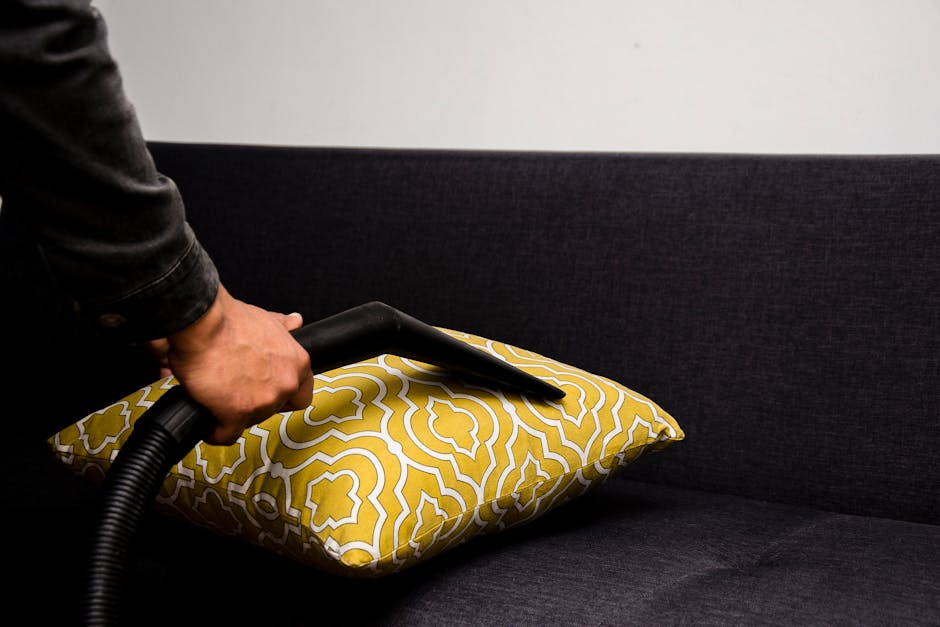
Fortune Green West Hampstead upholstery cleaning guide
If your sofa is looking a little tired, your dining chairs have picked up mystery marks, or the arm of your favourite reading chair has that familiar greasy patch from daily life, this Fortune Green West Hampstead upholstery cleaning guide is for you. Upholstery gets used hard in real homes. Tea spills happen. Pets settle in. Dust builds up quietly. And before you know it, fabric that once looked crisp starts to feel dull and slightly sticky to the touch.
This guide walks you through how upholstery cleaning works, what really matters when choosing a method, and how to avoid the common mistakes that can damage fabric or leave odours behind. It also explains when a deep clean makes sense, when a lighter refresh is enough, and why a careful approach matters in a busy West Hampstead home.
Along the way, you'll find practical advice, a comparison table, a checklist, and a realistic example of how a typical clean might play out. No fluff. Just the kind of guidance that helps you make a sensible decision.
Table of Contents
- Why Fortune Green West Hampstead upholstery cleaning guide Matters
- How Fortune Green West Hampstead upholstery cleaning guide Works
- Key Benefits and Practical Advantages
- Who This Is For and When It Makes Sense
- Step-by-Step Guidance
- Expert Tips for Better Results
- Common Mistakes to Avoid
- Tools, Resources and Recommendations
- Law, Compliance, Standards, or Best Practice
- Options, Methods, or Comparison Table
- Case Study or Real-World Example
- Practical Checklist
- Conclusion
- Frequently Asked Questions
Why Fortune Green West Hampstead upholstery cleaning guide Matters
Upholstery is one of those surfaces you live with every day but rarely think about until it starts looking obvious. A sofa can hold onto skin oils, dust, drink spill residue, pet dander, and general household debris far more than people expect. In a well-used home, that adds up slowly. One day the room just feels less fresh. Not dirty exactly. Just off.
That is why a proper upholstery cleaning approach matters. It is not only about appearance. It is also about helping fabric last longer, keeping indoor spaces more comfortable, and reducing the chance that small stains become permanent ones. For many households in Fortune Green and wider West Hampstead, this becomes especially relevant in compact flats, family homes, and shared living spaces where furniture gets heavy daily use. Let's face it, the sofa is often the busiest piece of furniture in the place.
There is also a practical side. A clean armchair or sofa tends to feel better to sit on, smell fresher, and make the room look more cared for. That matters whether you are settling in for the evening, hosting friends, or preparing a property for new tenants.
If you are managing a home cleaning schedule, upholstery cleaning fits neatly alongside services like domestic cleaning, deep cleaning, or even one-off cleaning when everything needs a reset. For larger refreshes, people often pair it with sofa cleaning or rug cleaning so the whole room feels more balanced.
How Fortune Green West Hampstead upholstery cleaning guide Works
At a basic level, upholstery cleaning works by removing loose soil first, then dealing with stains, then refreshing the fibres using the most suitable method for the material. That sounds simple enough, but the detail matters. Different fabrics react differently to water, heat, agitation, and detergents.
The process normally starts with an inspection. A good cleaner looks at the fabric type, condition, colour fastness, stain history, and any problem areas such as seams or cushions that trap dirt. Then the surface is vacuumed thoroughly. This step is boring but crucial. If loose grit stays in place, it can smear into the fabric during cleaning and make things worse. Tiny grains of sand from shoes or crumbs from snacks can be surprisingly abrasive.
From there, the cleaner may choose hot water extraction, low-moisture cleaning, foam cleaning, or specialist spot treatment. Not every sofa should be soaked. Not every mark should be scrubbed. A careful method is usually better than a dramatic one. In a lot of homes, that is the difference between a decent result and a disappointing one.
The final stage is controlled drying. Quick drying helps prevent stale smells, water marks, and that slightly clammy feeling that some people notice after an over-wet clean. Ventilation matters. So does sensible timing. A Thursday morning clean, for example, gives you the whole day to air the furniture properly before the evening settles in.
If you are already comparing service types, it can help to look at related options such as upholstery cleaning as the core service, or broader solutions like cleaning company support when you want one team to handle several jobs.
Key Benefits and Practical Advantages
The biggest benefit of upholstery cleaning is obvious: your furniture looks better. But the real value runs deeper than that.
- Improved appearance: Colour tends to look brighter when surface soil is removed, especially on pale fabrics.
- Fresher smell: Upholstery can hold odours from pets, cooking, damp shoes, and general daily life.
- Longer furniture life: Dirt acts like fine abrasive dust and can wear fibres down over time.
- Better comfort: Clean upholstery feels nicer to sit on. Simple as that.
- More hygienic living space: A deep clean helps reduce the build-up of grime that regular vacuuming cannot reach.
- Better first impression: Important for guests, landlords, renters, and anyone trying to present a tidy home.
There is also a psychological benefit people often underestimate. A clean sofa can make an entire room feel calmer. You notice this especially on a grey London afternoon when the flat feels a bit cramped and everything indoors starts blending together. A refreshed chair or sofa adds a bit of lift. Nothing dramatic. Just enough.
For busy households, the real win is maintenance. Regular care means you are less likely to face a stubborn stain later or have to replace a piece of furniture earlier than planned. That is the sort of practical savings that are easy to miss until the problem arrives.
Who This Is For and When It Makes Sense
This guide is useful for anyone with fabric furniture, but some situations make upholstery cleaning especially worth doing. If your home has children, pets, frequent visitors, or a lot of day-to-day use, the need is obvious. Sofas and armchairs collect the story of the house, and sometimes that story gets a bit messy.
It also makes sense if you are moving out, preparing a property for sale, refreshing a rental, or trying to remove stubborn smells before they settle in properly. In a London rental, presentation can matter a lot, and upholstery is one of those details that quietly changes how a room feels.
You may also want it if:
- fabric looks dull even after vacuuming
- there are visible water rings or food marks
- pet hair keeps reappearing in the weave
- a room smells stale even though everything else is clean
- you have had a spill and want to act before it dries in
- the furniture has not been professionally cleaned for a long time
Sometimes people ask whether to clean a sofa or just replace it. Fair question. If the frame is sound and the fabric is still in decent condition, cleaning often gives you far more value for money. If the fabric is badly worn, torn, or sun-damaged, a clean may improve it, but it will not work miracles. Truth be told, no cleaner can undo ten years of daylight and dog claws.
Step-by-Step Guidance
If you want a simple version of how to approach upholstery cleaning properly, start here.
- Identify the fabric. Check the care label or manufacturer guidance if available. Natural fibres, synthetics, velvet, linen blends, and leather all need different handling.
- Test in a hidden area. Before using any cleaner, try it somewhere discreet. A small patch on the back or underside can save a lot of trouble.
- Vacuum thoroughly. Use upholstery attachments to remove crumbs, pet hair, dust, and grit from seams and cushions.
- Pre-treat stains carefully. Work from the outside of the mark inward to avoid spreading it. Do not flood the fabric.
- Choose the right method. Low-moisture cleaning may suit delicate fabrics; extraction may be better for durable materials.
- Control the amount of liquid. Too much moisture can lead to rings, slow drying, or unpleasant odours.
- Let it dry fully. Open windows if possible and avoid sitting on the furniture too soon.
- Brush or reset the pile. Some fabrics benefit from a gentle final brush to restore texture and even appearance.
That final drying stage is where many DIY attempts go a bit sideways. The sofa looks clean, but the cushions stay damp under the surface and start smelling odd later. Not ideal. Better to be patient than overconfident.
Expert Tips for Better Results
Here are the small things that often separate a decent clean from a really good one.
- Start with the least aggressive option. It is easier to go further later than to repair damage from over-cleaning.
- Mind the seams and piping. Dirt hides there. A lot.
- Use white cloths for blotting. Coloured cloths can transfer dye when damp.
- Work in natural light if you can. You spot missed marks more easily near a window than under warm lamps.
- Do not rush drying with harsh heat. A fan is usually safer than blasting the fabric with a hairdryer.
- Rotate cushions if possible. It helps the fabric wear more evenly after cleaning.
One often overlooked tip: clean surrounding soft furnishings at the same time. A sofa can look freshly treated, but if the rug beside it is dusty and the curtains are dull, the room still feels tired. That is why people sometimes combine upholstery work with window cleaning or a broader refresh like house cleaning. The result is more convincing, and a bit more satisfying too.
And yes, if you are wondering, one stubborn coffee mark can absolutely take more patience than the rest of the room combined. Upholstery has a sense of humour like that.
Common Mistakes to Avoid
Upholstery cleaning looks easier than it is. A few common missteps can make things worse quickly.
- Scrubbing too hard: This can push stains deeper and rough up the fabric.
- Using the wrong product: Bleach, harsh solvents, or general-purpose cleaners can damage fibres.
- Over-wetting the fabric: This can lead to rings, shrinkage, or slow drying.
- Skipping a patch test: Never assume a product is safe just because it worked on another sofa.
- Ignoring the fabric label: Some materials are surprisingly sensitive.
- Trying to remove every stain in one pass: Sometimes it is better to treat gradually.
A smaller but very real mistake is cleaning only the visible top surfaces. Armrests, cushion edges, and the back where people lean are usually where grime gathers. If you only do the obvious parts, the difference will still show. Maybe not on day one, but soon enough.
Tools, Resources and Recommendations
You do not need a cupboard full of gadgets, but the right tools make a real difference. For routine care, a vacuum with an upholstery attachment is the baseline. Add a soft brush, clean white cloths, and a gentle fabric-safe cleaner approved for the material, and you have the essentials.
For more intensive work, a professional may use extraction equipment, specialist stain treatments, and fibre-safe pre-sprays. These are particularly useful for larger pieces, older furniture, or upholstery that has absorbed years of everyday use. If the item is delicate, the method matters more than the machine. That sounds obvious, but people forget it.
If you are looking at service options rather than DIY, useful related pages include sofa cleaning, rug cleaning, and carpet cleaning if the furniture and flooring need attention together. For homes that need a broader reset, deep cleaning can be a practical next step.
When you are comparing providers, it is worth checking practical things like insurance, safety approach, booking clarity, and payment security. Those details do not sound glamorous, but they matter more than fancy wording on a homepage. You can also review company information such as about us, insurance and safety, and payment and security to get a better feel for professionalism and reassurance.
Law, Compliance, Standards, or Best Practice
Upholstery cleaning is not heavily regulated in the way some trades are, but good practice still matters. In the UK, a reputable cleaner should work safely, use appropriate products, and take reasonable care around the property. If a business is operating professionally, you would expect attention to public liability insurance, sensible risk controls, and clear service terms.
For customers, that means asking a few straightforward questions. Is the fabric suitable for the method? Are the products safe for your household situation? How will the cleaner protect nearby surfaces? What happens if a mark does not fully lift? These are fair questions, and a trustworthy provider should answer them plainly.
It is also sensible to check the company's policies if you are using professional services at home. Pages like health and safety policy, terms and conditions, privacy policy, and recycling and sustainability help you understand how the business works and what you can expect.
None of that is flashy, but it builds confidence. And confidence matters when someone is working on fabric you use every day.
Options, Methods, or Comparison Table
Different upholstery cleaning methods suit different situations. Here is a simple comparison to make the decision easier.
| Method | Best for | Strengths | Watch-outs |
|---|---|---|---|
| Vacuum and spot clean | Light upkeep | Quick, inexpensive, good for regular maintenance | Won't remove deep soil or old stains |
| Low-moisture cleaning | Delicate or sensitive fabrics | Faster drying, gentler on certain materials | May not fully lift heavier contamination |
| Hot water extraction | Durable fabric upholstery | Good for deep cleaning and embedded grime | Too much moisture can cause problems if handled poorly |
| Foam or specialist fabric treatment | Mixed or textured fabrics | Useful balance of cleaning power and control | Requires correct product choice and application |
If you are unsure which method fits your furniture, the safest answer is usually the least aggressive method that still solves the issue. That is especially true for older pieces, dyed fabrics, or anything with a care label that looks even slightly cautious.
Case Study or Real-World Example
Picture a typical West Hampstead living room on a damp Tuesday morning. The sofa is cream fabric, the armrests have darkened over time, and there is a faint smell of pets and takeaway that you only notice when you sit down and stop moving. The owners have been vacuuming weekly, but the furniture still looks flat.
In a case like that, a sensible clean would begin with inspection and a dry vacuum around seams and cushions. The cleaner would identify the fabric, test a discreet patch, and pre-treat the most visible marks. The armrests would be handled with particular care because that is where body oils concentrate. Cushions would be cleaned evenly so the sofa does not end up patchy.
After the clean, the room would need time to dry properly. By late afternoon, with windows open and a steady draft moving through, the sofa would look lighter, the fabric would feel fresher, and the room would have that just-reset feeling that people always notice but struggle to describe. Not brand new. Just properly cared for.
That is the outcome most people are really after. A practical improvement that makes the room easier to live in.
Practical Checklist
Use this before booking or attempting your own upholstery clean.
- Check the fabric care label or manufacturer notes
- Decide whether the item needs a light refresh or a deep clean
- Test any cleaner in a hidden spot first
- Vacuum cushions, seams, edges, and under cushions
- Remove loose debris before applying any moisture
- Confirm drying time and ventilation plan
- Avoid harsh scrubbing or overwetting
- Compare the result with nearby soft furnishings
- Review provider information such as safety, terms, and pricing before booking
- Decide whether related services like pricing and quotes or contact us are needed for a wider clean
Expert summary: The best upholstery cleaning is usually the one that matches the fabric, uses controlled moisture, and allows proper drying. Fast is nice, but careful is better.
Conclusion
A good upholstery cleaning routine does more than brighten a sofa. It helps furniture last longer, keeps your home feeling fresher, and removes the gradual build-up that daily life leaves behind. In Fortune Green and West Hampstead, where homes are often well used and space matters, that can make a real difference to comfort and presentation.
The main things to remember are simple: know your fabric, test before treating, avoid overwetting, and do not underestimate drying time. If the job feels too delicate, too large, or too important to risk, a professional approach is often the calmer choice. Sometimes that is just the sensible thing to do.
If you are planning a refresh for your home, or you want a more complete clean across sofas, rugs, and other soft furnishings, now is a good moment to take the next step.
Get a free quote today and see how much you can save.
Frequently Asked Questions
How often should upholstery be professionally cleaned?
For most homes, upholstery benefits from professional cleaning every 12 to 24 months, though busy households, pet owners, and homes with children may need it more often. If a sofa starts looking dull before that, trust your eyes. The fabric usually gives you a few hints.
Can I clean upholstery myself at home?
Yes, for light maintenance and small spills, careful DIY cleaning can work well. The key is to check the fabric type, test first, and avoid using too much liquid. For delicate or expensive furniture, professional cleaning is usually the safer route.
What is the best method for fabric sofas?
It depends on the fabric. Durable synthetics may suit extraction cleaning, while delicate materials often need low-moisture methods. There is no one-size-fits-all answer, which is a bit annoying, but it is the honest answer.
Will upholstery cleaning remove all stains?
Not always. Some stains set permanently, especially if they have been left for a long time or treated with the wrong product beforehand. A good cleaner can often improve the appearance significantly, but perfection is not always possible.
How long does upholstery take to dry?
Drying time depends on fabric type, cleaning method, room ventilation, and the amount of moisture used. Some items dry in a few hours, while others need longer. Proper airflow makes a big difference.
Is upholstery cleaning safe for pets and children?
It can be, if suitable products are used and the furniture is allowed to dry fully before normal use. If you have sensitivities in the household, ask what products are being applied and how long the furniture should remain unused.
Can upholstery cleaning help with odours?
Yes, especially when odours are caused by surface soil, pets, food residue, or general build-up. Strong smells from deep contamination may take more than one treatment, though.
Should I clean my sofa before or after a deep clean of the home?
Either can work, but many people prefer to clean upholstery as part of a broader deep clean so the whole room feels refreshed at once. If the carpets or rugs are also due, it often makes sense to coordinate the jobs.
What should I do after a sofa has been cleaned?
Keep the room ventilated, avoid sitting on the furniture too soon, and let cushions dry fully before replacing throws or covers. A bit of patience here pays off. No need to rush back with a cup of tea and hope for the best.
How do I know if my furniture needs professional cleaning?
If the fabric looks dull, smells stale, has stubborn marks, or has not been cleaned for a long time, professional upholstery cleaning is probably worth considering. It is also a good idea when you are preparing a rental, hosting guests, or refreshing a tired room.
Can upholstery cleaning be combined with other services?
Yes. Many people combine it with sofa cleaning, rug cleaning, carpet cleaning, or a wider domestic clean. That can be more efficient and gives the whole room a more consistent finish.
What should I ask before booking a cleaning service?
Ask about fabric suitability, cleaning method, drying time, insurance, and what happens if a stain does not fully lift. Clear answers are a good sign. If a provider is vague, that is usually telling you something.
For a home that feels calmer, fresher, and more looked after, upholstery cleaning is one of those small improvements that quietly makes everything better. Not dramatic. Just genuinely useful.