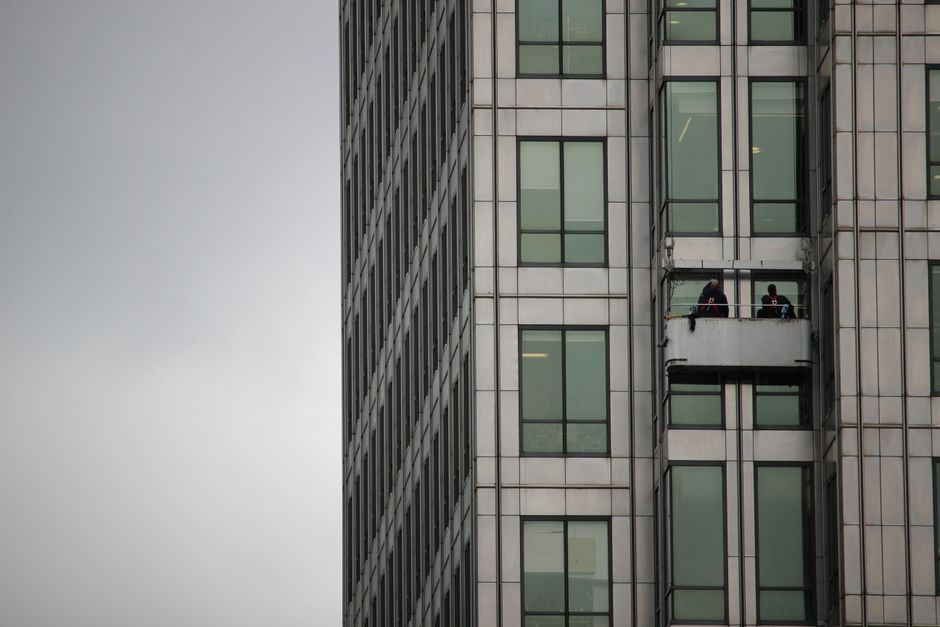
Common problems with high rise flat cleaning in West Hampstead
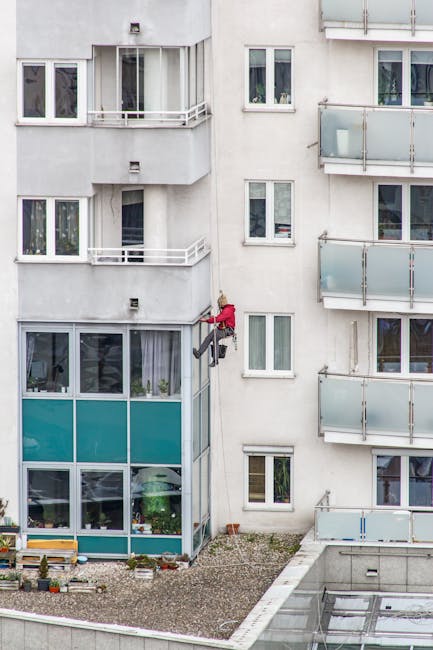
High rise flat cleaning in West Hampstead sounds straightforward on paper: arrive, clean, leave the place looking sharp. In reality, it can be a bit of a juggling act. Narrow access, awkward lifts, shared entrances, fragile surfaces, parking headaches, and the simple fact that you are working several floors up all change the job. If you have ever tried to clean a top-floor flat after a busy week, you will know it is rarely just about wiping a few surfaces.
This guide looks at the common problems with high rise flat cleaning in West Hampstead and how to deal with them sensibly. We will cover the practical risks, the repeat issues cleaners run into, what good preparation looks like, and when a deeper service such as deep cleaning or one-off cleaning makes more sense than a quick tidy. The aim is simple: fewer surprises, safer work, better results.
And yes, high-rise homes do make you notice the details. Dust sits differently, windows get harder to ignore, and a missed corner suddenly feels twice as obvious. Let's get into it.
- Why this matters in West Hampstead
- How high rise flat cleaning usually works
- Key benefits and practical advantages
- Who needs this and when it makes sense
- Step-by-step guidance
- Expert tips for better results
- Common mistakes to avoid
- Tools, resources and recommendations
- Law, compliance, standards and best practice
- Options, methods and comparison table
- Case study or real-world example
- Practical checklist
- Conclusion
- Frequently asked questions
Why Common problems with high rise flat cleaning in West Hampstead Matters
West Hampstead has plenty of flats where access is compact, stairwells are shared, and the building layout changes from one address to the next. That matters because the building itself becomes part of the cleaning job. You are not only cleaning a home; you are working around entry codes, neighbours, communal corridors, lifts, timed access slots, and sometimes strict management rules. One small delay can throw off the whole visit.
High rise cleaning also tends to expose any weak point in the plan. If the cleaner arrives without the right equipment, the job slows down. If the building has limited parking, heavy kit becomes harder to move. If the flat has tall windows, delicate flooring, or older upholstery, the wrong product can create damage very quickly. To be fair, a lot of the problems are predictable. That is the good news. Predictable issues can be managed.
This is especially relevant for landlords, tenants, homeowners, and letting agents trying to keep standards consistent. A cleaner can do a perfect job in a ground-floor house and still struggle in a sixth-floor flat if the practical setup is poor. That is why planning matters as much as elbow grease.
Key takeaway: the biggest problems in high rise flat cleaning are rarely about effort. They are usually about access, safety, time, and the building environment.
How Common problems with high rise flat cleaning in West Hampstead Works
At its simplest, high rise flat cleaning follows the same pattern as any residential clean: assess the property, bring the right kit, clean methodically, and check the result. In practice, the process needs more structure.
First comes access. The cleaner needs to know whether the lift works, whether the flat is near a service entrance, whether there is visitor parking, and whether the building manager wants notice before equipment is brought in. Then comes room-by-room planning. Tall windows, bathrooms with poor ventilation, kitchens with grease build-up, and carpets that hold onto dust all need different treatment.
Next comes sequencing. In high rise flats, this matters more than people think. You do not want to mop a floor before finishing the dusting, or clean glass before dealing with the stubborn grime around the frame. That sounds obvious, but in tight schedules, mistakes happen. A cleaner rushing between rooms can easily create more work than they solve.
The best systems are calm and repetitive: top to bottom, dry to wet, clean to dirty. It is not glamorous. It just works.
Where relevant, specialist services can be brought in for problem areas. For example, stubborn carpets may need carpet cleaning, damaged upholstery may need upholstery cleaning, and smudged glazing may benefit from window cleaning. Mixing general cleaning with the right specialist task usually gives a better finish than treating every surface the same. Simple, but easy to miss.
Key Benefits and Practical Advantages
When high rise flat cleaning is handled properly, the benefits are very clear. The flat feels fresher for longer, problem areas are less likely to build up, and the work is less stressful for everyone involved. That includes the resident, the cleaner, and anyone managing the property.
- Better hygiene in hard-to-reach areas: dust collects quickly on skirting boards, blinds, vents, and tops of cabinets.
- Reduced wear and tear: the right approach helps protect flooring, seals, grouting, and upholstery.
- Fewer access-related delays: good planning cuts wasted time at the building entrance or lift.
- Improved presentation: useful for rented homes, sales viewings, and end-of-tenancy preparation.
- Safer working conditions: less improvisation means fewer slips, strained lifts, or product mistakes.
There is also a softer benefit that people sometimes overlook: peace of mind. Knowing the job has been thought through properly makes the whole thing feel less chaotic. If you live high up and work long hours, that matters. Nobody wants to spend Saturday morning battling limescale and a stubborn extractor fan while the rest of the flat feels like it is winning.
Who This Is For and When It Makes Sense
High rise flat cleaning is relevant to a few different groups in West Hampstead. Tenants often need it before the end of a tenancy, especially when they want the property to look properly cared for. Landlords and letting agents may need it between occupancies. Homeowners use it when day-to-day upkeep has slipped and the flat needs a reset. Busy professionals, quite understandably, often just need help staying on top of the basics.
It makes particular sense when the property has a mix of surfaces and access challenges. Think polished flooring, fitted kitchens, compact bathrooms, hallway mirrors, balcony glass, and rooms that seem smaller once equipment is brought in. A quick surface wipe is rarely enough in these spaces. You usually need a more deliberate approach.
It also makes sense after disruptive work. If dust has drifted in from a renovation, then a more thorough service such as after builders cleaning may be the right next step. That kind of job is different from standard domestic upkeep because fine dust behaves like a determined little nuisance. It gets everywhere. Everywhere.
If you are deciding whether to book support, ask yourself a simple question: are you trying to maintain, recover, or prepare the flat? The answer usually tells you which type of clean is needed.
Step-by-Step Guidance
A reliable process helps avoid most of the common problems with high rise flat cleaning in West Hampstead. Here is a practical sequence that works well in real life.
- Check access first. Confirm entry codes, lift availability, visitor parking, and any building rules before the visit.
- Walk through the flat. Identify delicate items, marks, high-traffic zones, and any areas that need specialist attention.
- Gather the right equipment. Microfibre cloths, non-abrasive pads, extension tools, and the correct products matter more than brute force.
- Start high and work down. Dust surfaces before cleaning floors so debris does not get spread around again.
- Use room-specific methods. Kitchens, bathrooms, living rooms, and bedrooms each need different treatment.
- Review problem spots. Check around taps, behind radiators, around window frames, and under furniture.
- Finish with a final inspection. A last look catches drips, streaks, and missed corners.
This process sounds basic, but in high rise homes the basics are exactly what stop the job falling apart. A cleaner who keeps moving without a plan will spend half the appointment correcting earlier mistakes. Nobody wants that. Not the client, not the cleaner, not the person trying to hold the door open while also explaining which cupboard sticks slightly.
Expert Tips for Better Results
In our experience, the best results usually come from little adjustments rather than dramatic changes. Here are the details that make the biggest difference.
- Bring compact kit. Large vacuum heads and oversized buckets can be awkward in tight lifts and narrow hallways.
- Check product compatibility. Some worktops, stone surfaces, and floor finishes do not like harsh chemicals.
- Use dry dust removal before wet cleaning. This stops streaking and saves time on the final wipe-down.
- Protect the route in and out. Clean equipment and good bagging help avoid marking shared areas.
- Be realistic about timing. A sixth-floor flat with one small lift is not the same as a house with open access.
- Focus on touchpoints. Handles, switches, remote controls, taps, and rails often carry more grime than people expect.
One practical habit worth keeping: always test a product in a small, hidden spot first. That tiny pause can save a lot of trouble, especially on painted surfaces, finishes, and upholstery. It is a boring step, granted, but boring is underrated in cleaning.
If the flat has soft furnishings that trap odours or dust, sofa cleaning and rug cleaning can make a huge difference to how the space feels. The room may be small, but the impact is not.
Common Mistakes to Avoid
Most problems in high rise flat cleaning come from avoidable mistakes. Some are obvious, some less so.
- Ignoring access restrictions. Turning up without a code, key fob, or building instructions wastes everyone's time.
- Using the wrong tools. Scratchy pads, over-wet mops, or heavy equipment can damage surfaces in seconds.
- Cleaning in the wrong order. If dust falls onto a freshly cleaned floor, you are doing the job twice.
- Overlooking communal considerations. Shared halls and lifts need careful handling so no one else is inconvenienced.
- Underestimating drying time. In compact flats, poor airflow can leave damp patches lingering longer than expected.
- Assuming every flat is the same. Layouts vary, and so do materials, stains, and occupant habits. A lot.
Another common issue is trying to do too much in one pass. A cleaner may attempt to deep-clean, declutter, polish, and sanitise every surface in one visit, which sounds efficient but often backfires. Better to prioritise properly than to rush a messier finish.
And yes, forgetting to check the windows after cleaning them is annoyingly common. The light in a high rise flat can show streaks very clearly at 4 p.m. on a grey afternoon. Brutal, but useful.
Tools, Resources and Recommendations
You do not need a van full of specialist machinery to clean a high rise flat well, but you do need the right basics. The best toolkit is usually practical rather than fancy.
| Cleaning need | Useful tools | Why it helps |
|---|---|---|
| General dust and dusting | Microfibre cloths, extendable duster | Reaches corners and traps fine dust instead of moving it around |
| Kitchen grease | Degreasing spray, non-scratch pads | Breaks down residue without damaging finishes |
| Bathroom limescale | Descaler, soft brush, cloths | Helps restore taps, screens, and tile edges |
| Floors and carpets | Vacuum, mop, specialist carpet equipment where needed | Keeps dirt from settling back into the room |
| Glass and windows | Squeegee, lint-free cloth | Reduces streaks and gives a cleaner finish |
When a flat needs more than surface work, the right service choice matters. For example, a heavily used kitchen may need oven cleaning, while worn hard surfaces may benefit from hard floor cleaning. If the overall property is due a fresh start, a broader domestic cleaning visit can be a better fit than piecemeal fixes.
For residents or managers who want regular upkeep rather than one big reset, a relationship with a dependable cleaning company can keep standards more consistent over time.
Law, Compliance, Standards, or Best Practice
Any cleaning work in a high rise setting should respect building rules, safe working practice, and the normal expectations around property care. You do not need to turn every job into a legal seminar, but you do need to work carefully.
In practical terms, that means considering safe access, manual handling, chemical use, and whether any equipment is suitable for the space. Where a building has management instructions, those should be followed. If a flat is rented, it is also sensible to keep an eye on tenancy expectations and the agreed condition of the property, especially at the end of a lease.
Reputable providers should have clear policies around insurance and safety. If you are comparing options, it is sensible to look for details such as health and safety policy information and insurance and safety cover. Those pages do not clean the flat for you, obviously, but they do tell you whether the business takes risk seriously.
Best practice also includes:
- using products appropriately for the surface
- avoiding trip hazards in tight corridors
- protecting communal areas from drips and scuffs
- respecting privacy and access arrangements
- being honest about what can and cannot be completed in one visit
If you are booking work in a managed block, it helps to ask whether there are building-specific rules before the appointment. That small step can prevent awkward delays at the door.
Options, Methods, or Comparison Table
Not every high rise flat needs the same type of clean. The right option depends on how dirty the property is, how much time is available, and what result you actually want. Here is a simple comparison.
| Method | Best for | Pros | Limitations |
|---|---|---|---|
| Routine cleaning | Weekly or fortnightly upkeep | Quick, consistent, low disruption | May not solve built-up grime or neglected areas |
| One-off cleaning | A reset after a busy period or gap in upkeep | Flexible and useful for immediate improvement | May not be enough for heavy residue or post-work dust |
| Deep cleaning | Detailed clean of overlooked or stubborn areas | More thorough, better for problem spaces | Takes longer and usually costs more than a standard clean |
| Specialist add-on cleaning | Carpets, upholstery, ovens, floors, windows | Targets the exact issue | Works best alongside a wider clean, not instead of one |
As a rough rule, if the flat looks generally tidy but tired, a one-off or deep clean may be enough. If the issue is specific, such as stained carpets or greasy cooking residue, specialist services are usually the smarter route. No drama, just the right tool for the job.
Case Study or Real-World Example
Here is a realistic example. A renter in a West Hampstead high rise flat had kept the place reasonably neat, but over time the kitchen extractor area, window tracks, bathroom fittings, and hallway floor had all picked up layers of everyday grime. Nothing extreme. Just the sort of slow build-up that makes a home feel dull.
The first challenge was access. The lift was shared and the building had a narrow window for deliveries. The second issue was layout: the flat had an open-plan living space, so dust and cooking residue had spread more than expected. The third problem was the carpet near the bedroom entrance, which had absorbed dirt from constant foot traffic.
The solution was not to attack everything at once. The cleaner started with dry dust removal, then kitchen and bathroom focus areas, then flooring, then a more detailed finish on the windows and soft furnishings. A targeted carpet cleaner approach helped lift the entrance area, while a final pass on the glass and seals made the whole flat look brighter in natural light.
The result was not just "cleaner." It felt calmer. That is usually what people notice first in a high rise flat. The surfaces are clean, yes, but the space also feels easier to live in.
Practical Checklist
Use this before a high rise flat clean, especially if the building has limited access or the property has not been cleaned properly in a while.
- Confirm entry arrangements and any lift restrictions
- Check whether parking or loading is needed
- Identify delicate surfaces, fabrics, and fixtures
- Decide whether the job is routine, one-off, or deep cleaning
- List any problem areas: bathroom scale, kitchen grease, carpets, windows
- Prepare suitable cloths, pads, sprays, and vacuum tools
- Protect communal areas while moving equipment
- Work top to bottom and dry to wet
- Inspect touchpoints, corners, and hidden edges
- Allow time for drying and ventilation
If you can tick most of those boxes before the work starts, the rest tends to run much more smoothly. Not always perfectly. But better. Much better.
Get a free quote today and see how much you can save.
Conclusion
The common problems with high rise flat cleaning in West Hampstead usually come down to access, planning, safety, and the realities of working in a compact vertical space. Once you understand those pressures, the job becomes far more manageable. You know what to check, what to prioritise, and when a standard clean needs a deeper or more specialist touch.
Whether you are a resident trying to stay on top of everyday mess, a landlord preparing a flat for the next occupant, or someone facing a much-needed reset after months of busy living, the best results come from thoughtful preparation. In a high rise flat, that thoughtful bit really matters.
And if the whole thing feels slightly overwhelming, that is normal. High rise homes can be brilliant to live in, just not always brilliant to clean. With the right approach, though, they can be brought back to life in a way that feels calm, tidy, and properly cared for. There is something satisfying about that, even on an ordinary weekday afternoon.
Frequently Asked Questions
What are the most common problems with high rise flat cleaning in West Hampstead?
The biggest issues are usually access, lift use, parking, limited space for equipment, and cleaning surfaces that are awkward to reach. Shared entrances and building rules can also slow the job down.
Why is high rise flat cleaning harder than cleaning a house?
Because you have more restrictions to work around. Tight hallways, less storage for tools, communal areas, and lift delays all make the process more complicated than a typical house clean.
Does a high rise flat need deep cleaning more often?
Not always, but compact flats can show dust, kitchen residue, and bathroom build-up faster. If the property feels tired or has not been cleaned thoroughly for a while, deep cleaning can be the better choice.
How do cleaners deal with limited access in tall apartment buildings?
They usually confirm entry details in advance, plan around lift availability, and bring compact equipment that is easier to move through shared spaces. Good communication makes a huge difference.
Can I clean a high rise flat myself, or should I book a professional?
You can absolutely handle routine cleaning yourself if the flat is in good shape. A professional makes more sense when access is awkward, the clean is overdue, or specialist tasks like carpets or upholstery are involved.
What cleaning services are most useful for high rise flats?
It depends on the property, but common add-ons include window cleaning, carpet cleaning, sofa cleaning, and oven cleaning.
How long does a high rise flat clean usually take?
It varies with size, condition, and access. A tidy flat may be fairly quick, while a deeper clean or a property with difficult access will take longer. The building itself often affects timing more than people expect.
Are communal areas affected during the clean?
They can be, which is why cleaners need to be careful with equipment, moisture, and movement through shared corridors or lifts. The goal is to leave communal spaces just as they were found.
What should I check before booking a cleaner for a top-floor flat?
Check access instructions, parking, the condition of the flat, and whether any special services are needed. It also helps to confirm whether the provider has clear safety and insurance information.
Is end-of-tenancy cleaning different in a high rise flat?
Yes, usually it is. End-of-tenancy work often needs a more detailed finish because tenants, landlords, and agents expect the property to look properly reset. End of tenancy cleaning is often the right option when the flat needs a full handover standard.
What is the biggest mistake people make with high rise flat cleaning?
Trying to rush without checking access or planning the order of work. That leads to missed areas, longer drying times, and more stress overall. A steady method nearly always wins.
How do I know if I need a one-off clean or a deep clean?
If the flat is generally tidy but needs a refresh, a one-off clean may be enough. If grime has built up in corners, bathrooms, kitchens, or soft furnishings, a deep clean is usually more appropriate.
What if the flat has both hard floors and carpets?
That is very common, and it is worth treating each surface differently. A mix of hard floor cleaning and carpet care usually gives the best finish, especially in open-plan flats.